Best Switches for MMO RPG Games Tested & Ranked
This article contains affiliate links. If you buy through them, I earn a small commission at no extra cost to you. I only recommend keyboards I’ve actually tested. As an Amazon Associate I earn from qualifying purchases.
Most “best gaming switch” lists get MMO and RPG players completely wrong. They rank switches by actuation speed, like everyone reading is playing Valorant. But if you’re four hours into a mythic raid or grinding a dungeon rotation for the tenth time tonight, speed isn’t your enemy — fatigue is. That’s why the best switches for MMO play look almost nothing like what a competitive FPS player would pick.
I’ve spent the last few weeks running through a stack of switches with this exact use case in mind. Long sessions. Ability rotations. Macros firing every couple of seconds. Movement keys held down for minutes at a time. What holds up is not always what the marketing team wants you to buy.
Here’s what actually survives.
Quick Comparison: Best Switches for MMO at a Glance
| Category | Switch | Type | Force | Why It Wins |
|---|---|---|---|---|
| Best Overall | Gateron Brown Pro | Tactile | 55g | Light bump, smooth, low fatigue |
| Best Budget Linear | Akko V3 Cream Yellow Pro | Linear | 50g | Factory-lubed, smooth as switches twice the price |
| Best All-Rounder | Gateron Yellow (KS-3) | Linear | 50g | Cheap, smooth, easy on fingers |
| Best Fast Tactile | Kailh Speed Copper | Tactile | 50g | Short actuation for reactive playstyles |
| Safe Classic | Cherry MX Brown | Tactile | 45g | Reliable, quiet enough for shared rooms |
If you want the short answer: Gateron Brown Pro is where I’d point most MMO players. Tactile feedback, low actuation force, and it doesn’t beat up your fingers during a long night. Everything else on this list is context-dependent.
What Actually Matters in the Best Switches for MMO Play
Forget marketing copy for a second. When you’re eight hours deep in a play session, only a handful of switch specs actually matter:
- Actuation force. Anything over 60g starts hurting during long sessions. Your pinky will file a complaint by hour two.
- Tactile bump (or lack of one). MMOs involve a lot of deliberate ability presses. A bump you can feel means you know the input registered without staring at your bar.
- Consistency. Rotations are muscle memory. Wobbly stems or uneven actuation break your timing in ways you’ll blame on lag.
- Sound. Less critical than in an office, but if your mic picks up every keypress, your raid group will notice by pull three.
Speed switches — the 1.0mm or 1.2mm actuation stuff — get pushed hard for gaming. They’re built for FPS. In an MMO, that short travel actively hurts you. You’ll double-tap abilities and burn cooldowns you didn’t mean to. And honestly, polling rate above 1000Hz is imperceptible for MMO play anyway — you’re paying for spec-sheet marketing.
The 5 Best Switches for MMO and RPG Games
1. Gateron Brown Pro — Best Overall

- G Pro 3.0 keep the condenser light effection structure but upgrades the light guide column surface in texture finish, wh…
- The pin is upgraded to be harder in the G pro 3.0 to be more reliable connection, Less deformation of pins, and longer l…
- Stem Material: POM, Top Housing Material: PC Transparent, Bottom Housing Material: Nylon,Lifetime: 100 million cycles
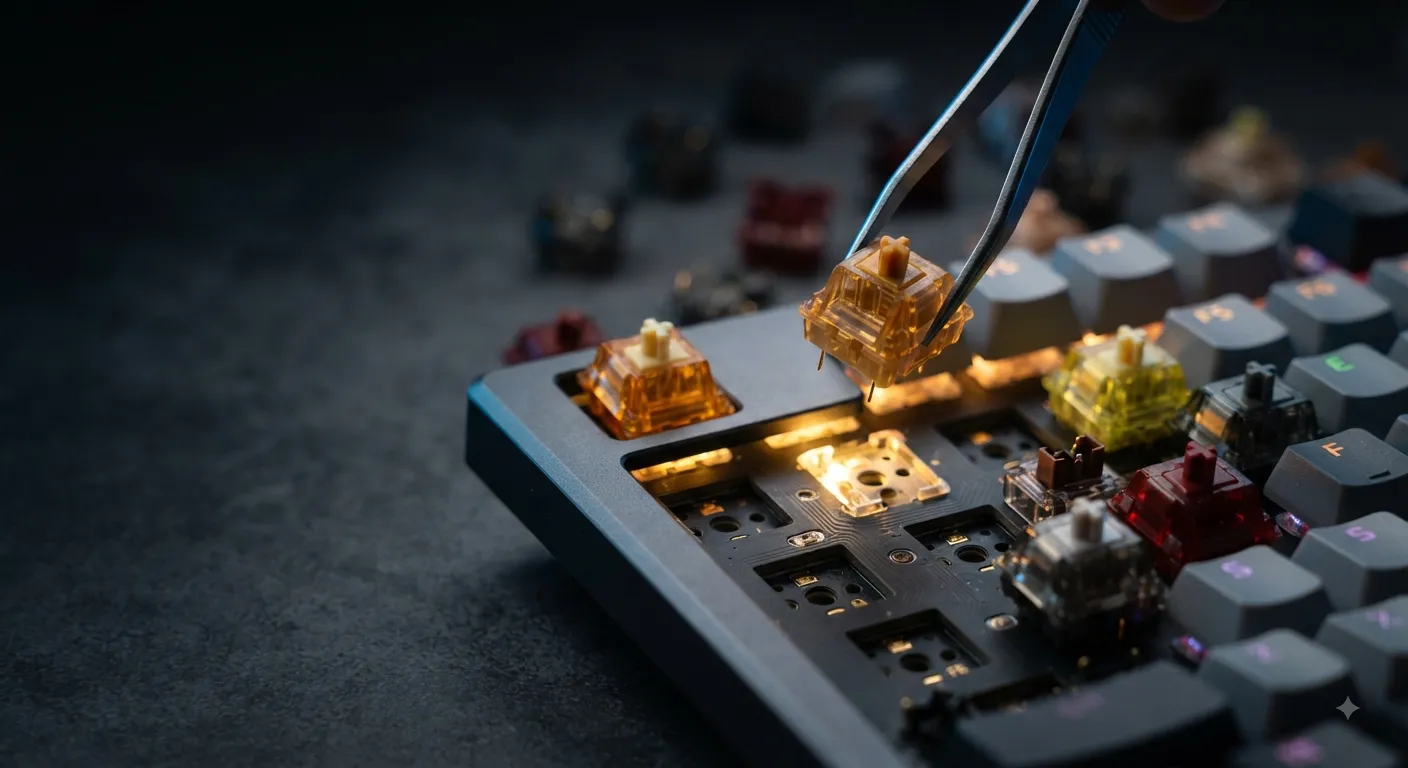
The Brown Pro is what a Cherry MX Brown wishes it was. Factory-lubed, smoother stem travel, and the tactile bump is actually noticeable instead of the mushy pre-travel thing Cherry Browns are famous for. I’ve been running these in a hot-swap board for weeks of Final Fantasy XIV and they don’t wear you down.
Pros
- Genuine, gentle tactile bump you can actually feel
- Light 55g actuation is easy on fingers
- Factory lube means no tinkering needed
- Cheap enough to fill a full-size board without wincing
Cons
- The bump is subtle — snappy-tactile fans will find it boring
- Not the loudest or most premium-sounding option
2. Akko V3 Cream Yellow Pro — Best Budget Linear
If you’re firmly in the linear camp and don’t want to spend $60 on switches, these are the pick. Smooth, factory-lubed, and about a third of the price of the boutique linears everyone was worshiping a couple of years ago. For the money, nothing else in this category is close.
Pros
- Genuinely smooth right out of the bag
- Around 30 cents per switch in bulk
- Great sound profile for something this cheap
- Works well in hot-swap boards without any modding
Cons
- Stems can be a touch wobbly compared to premium options
- Not tactile — if you like feedback, skip
3. Gateron Yellow (KS-3) — Best All-Rounder for the Money

- 【Performance】: Gateron is a brand specializing in the production of mechanical keyboard shafts. Gateron KS-3 Milky Yello…
- 【Product parameters】: The Gateron KS-3 Milky Yellow switch designed for the keyboard. The key switch parameters are as f…
- 【Durability】: Gateron KS-3 Milky Yellow switches are produced with high-quality materials, which means they are highly d…
The regular Gateron Yellow is still the value king. Smooth linear, cheap as dirt, and if you lube them you get 80% of a boutique linear experience for a fraction of the price. I’ve built entire boards with these for under $30 in switches. Pair them with a decent budget board and you’ve got something that punches way above its weight.
Pros
- Extremely affordable
- Smooth out of the box, better with lube
- Wide availability across retailers
Cons
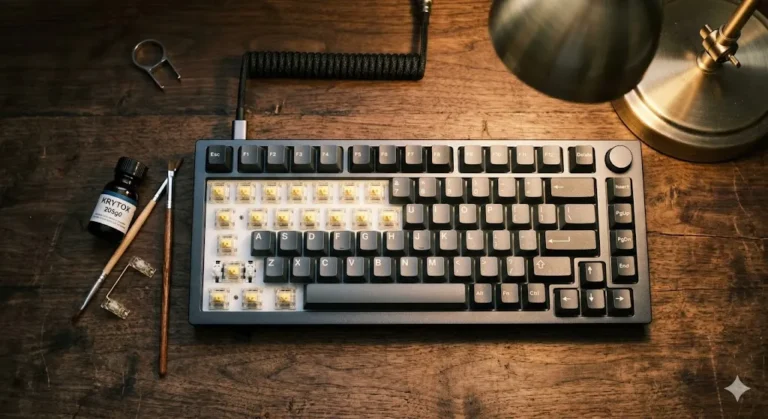
- Not factory-lubed (bring your 205g0)
- Sound is fine, not remarkable
- Slightly scratchy without treatment
4. Cherry MX Brown — The Safe Classic

- Brown Switches Features: Smooth Tactile. 55 cN operating force ,2.0 mm pre travel, 4.0 mm total travel. Good for quick a…
- Originally 100% Made by Cherry in Germany. Re-packed in small package in China. Compatible with most Mechanical Keyboard…
- Plate mounted switches: 3-pin design compatible for most mechanical keyboards. For Hot Swap Mechanical Gaming Keyboards …
I know, I know. Everyone dunks on MX Browns. But if you’re new to mechanicals and want a switch that works, sounds fine, and won’t annoy your family, MX Browns are still fine. The bump is weaker than most modern tactiles, but you get Cherry’s reliability. That’s not nothing. If you care about how the board sounds, though, you’ll want to look at decent keycaps and stab tuning before blaming the switches.
Pros
- Rock-solid Cherry build quality
- Quiet enough for shared spaces
- Widely available in pre-built boards
Cons
- Weak, mushy bump compared to modern tactiles
- Not lubed from the factory
- Better options exist at the same price now
5. Kailh Speed Copper — Best Light Tactile for Reactive Play

- Speed tactile switches with 40g actuation force deliver fast response for gaming and typing tasks
- Shorter pre-travel distance ensures quick actuation, providing a competitive advantage in games
- Compatible with most PCBs and hot-swappable, allowing for easy keyboard modifications without soldering
For MMO players who want a snappier, faster tactile without going full linear, the Speed Copper is a sneaky good pick. Short 1.1mm actuation with a real bump. Not for everyone — that fast actuation can cause misfires if your fingers rest heavy on the caps — but for players with a light touch, it’s fantastic. Great option too if you care about stab tuning and want the switch feel to match a snappier board.
Pros
- Genuine tactile bump with fast actuation
- Great for reactive playstyles
- Consistent feel across the set
Cons
- The short pretravel takes adjustment
- Prone to accidental presses if you rest fingers
- Louder than a standard tactile
Tactile vs Linear for MMOs — The Honest Answer
The tactile-vs-linear debate gets more religious than it needs to be. Here’s my actual take after switching back and forth for years:
Tactile wins for most MMO players. The bump gives you confirmation you hit the key, which matters when you’ve got 30 abilities on your bar and you’re not looking down. Fewer double-taps. Fewer missed inputs. Less “wait, did I actually cast that?”
Linear wins if you use held-key movement heavily, or if you play games with lots of directional micro-adjustments. Linears feel smoother when you’re mashing WASD for extended movement, and they’re kinder to fingers over very long sessions. Some people just prefer the uninterrupted keystroke.
Neither is objectively better. If you’re picking your first switch and you’re on the fence, get tactile. If you already know you hate feeling the bump, get a linear. Anyone who tells you there’s a universally correct answer hasn’t tested enough boards.
What to Avoid
A few switches that keep getting recommended for MMO play that I’d steer you away from:
- Cherry MX Red (stock). Fine, but so much better exists at the same price now.
- Any silver or 1.0mm actuation “speed” switch. Too twitchy for ability spam. Speed Copper is the exception because it’s tactile.
- MX Blues. Too heavy, too loud, and the tactile bump comes at the wrong point in the keystroke.
- Optical switches marketed as 8000Hz gaming. Marketing fluff for MMOs. Save your money.
Also worth mentioning: don’t obsess over switches if your board’s stabs are rattling like a coffee can full of screws. Fix those first. Switches are the easiest thing to swap later.
My Actual Recommendation
If you want one answer: get the Gateron Brown Pro, put them in a decent hot-swap board, and stop reading switch reviews. It’s a light, tactile, factory-lubed switch that holds up to long sessions without wearing your hands out. That’s the whole game for MMO play.
If budget is tight, go Gateron Yellow (KS-3) or Akko V3 Cream Yellow Pro for linears. Both punch way above their price and neither will disappoint you.
If you play reactive, high-APM content and want tactile feedback that keeps up, Kailh Speed Copper is the one to try. Just know it takes a week or two to adjust to the shorter travel.
Here’s the catch, though: no switch fixes a bad board. If you’ve got scratchy stabs, hollow case ping, or cheap plastic flex, no amount of switch swapping will save you. Get the board right first, then get the switches right. That order matters more than any spec sheet, and it’s the single most common mistake I see MMO players make when they’re building their first serious rig.
This article contains affiliate links. If you buy through them, I earn a small commission at no extra cost to you. I only recommend keyboards I’ve actually tested. As an Amazon Associate I earn from qualifying purchases.

I’ve torn down, lubed, and rebuilt several hundred keyboards — from $20 membranes to $800 enthusiast boards. I review them honestly, even when “honestly” means telling you to skip the one with the bigger marketing budget.